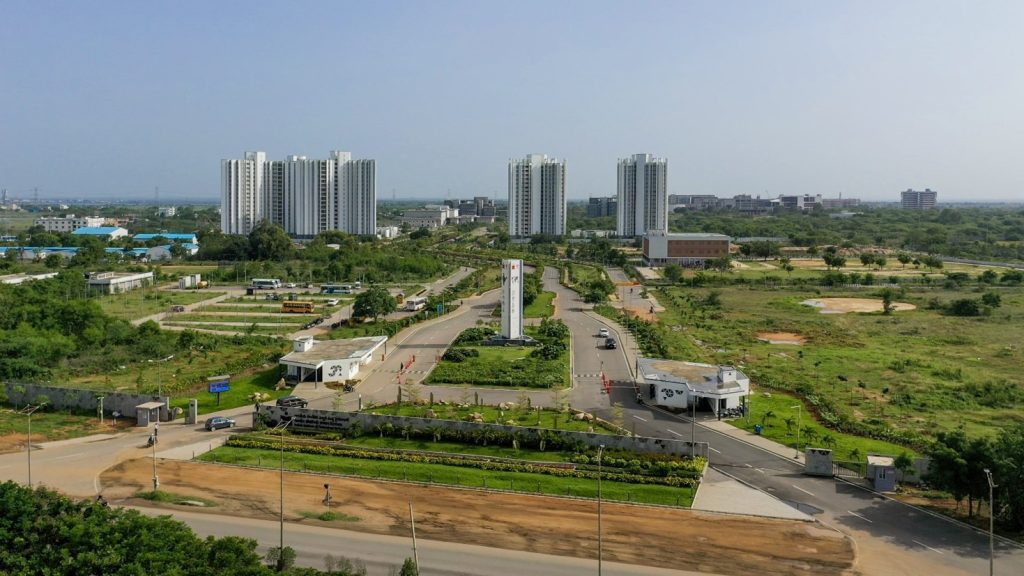
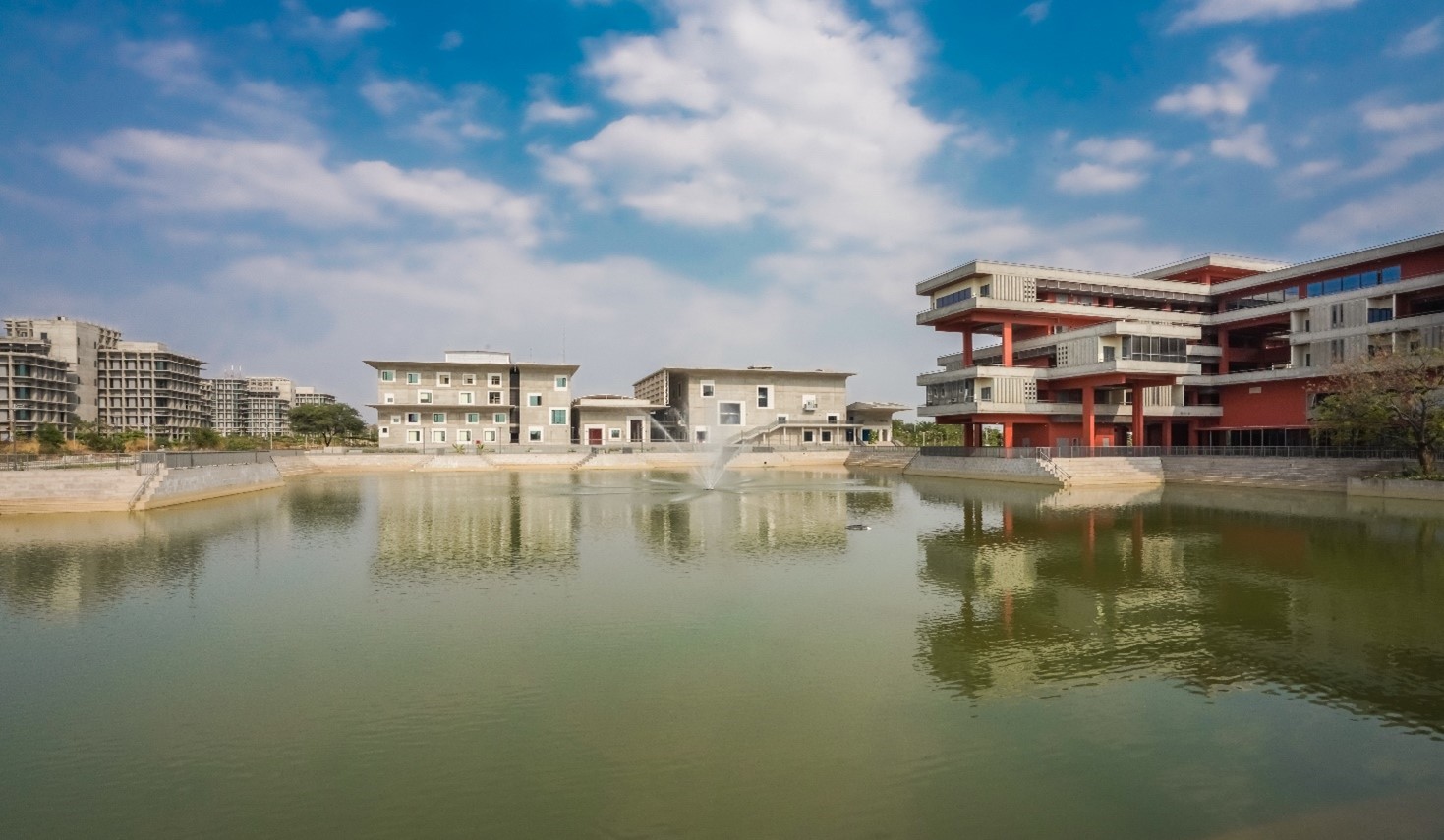
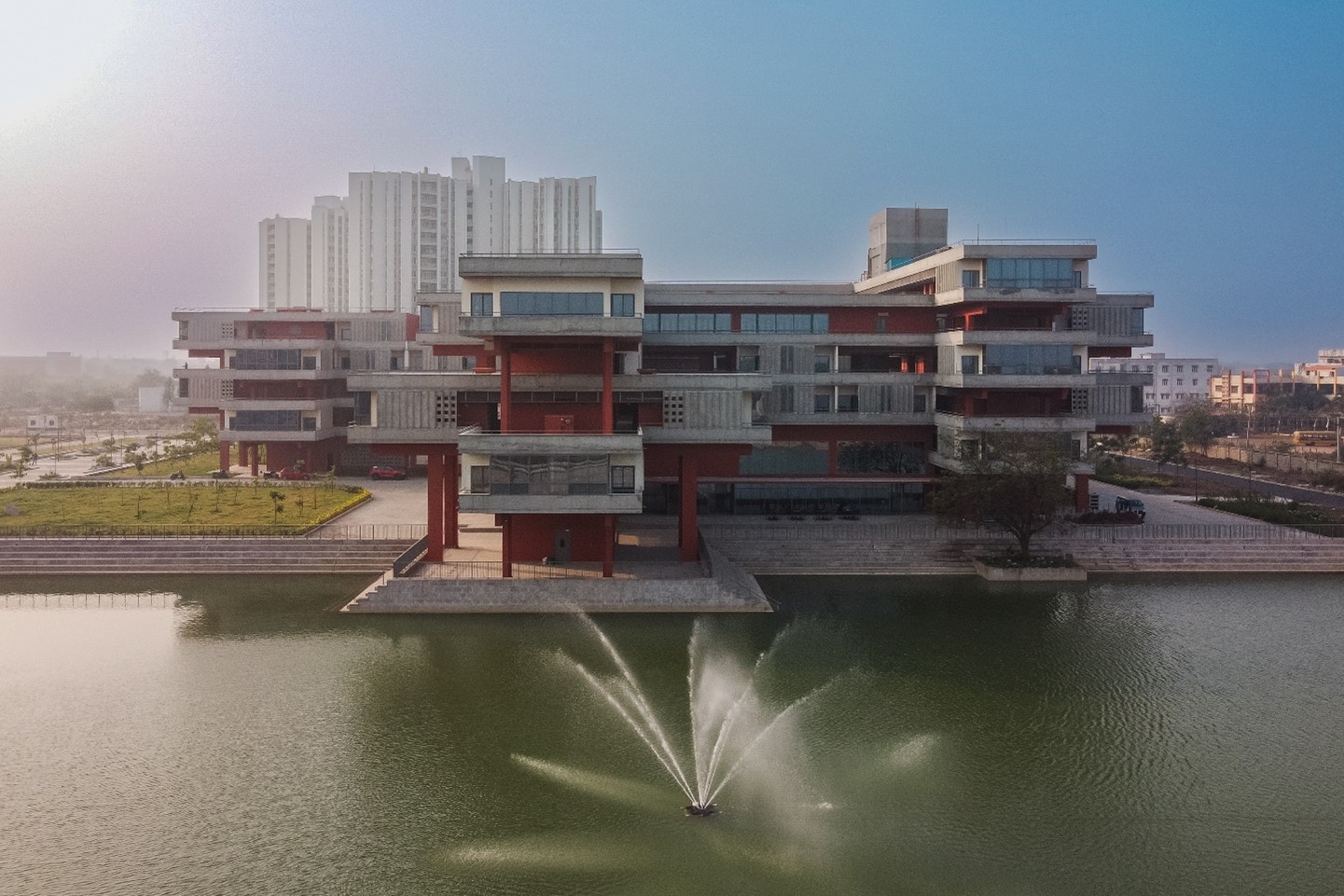
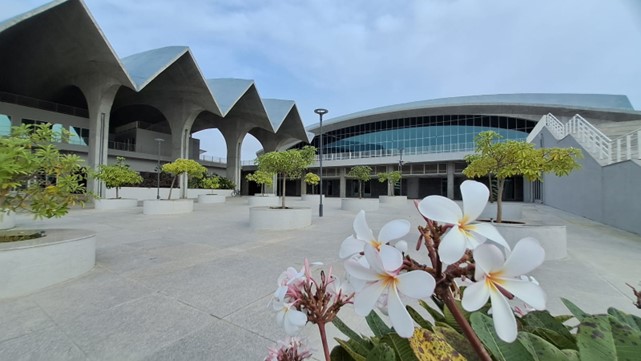
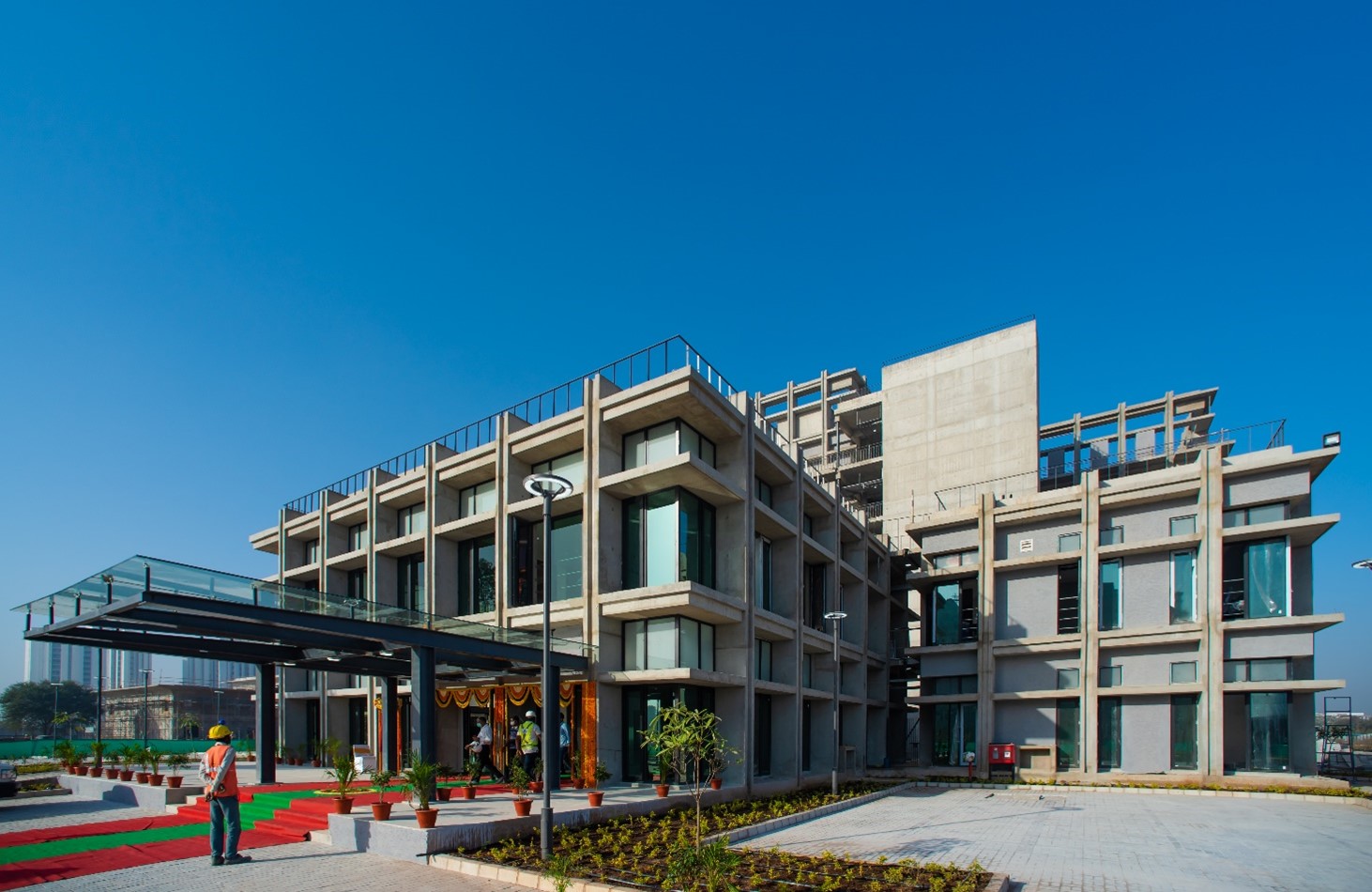
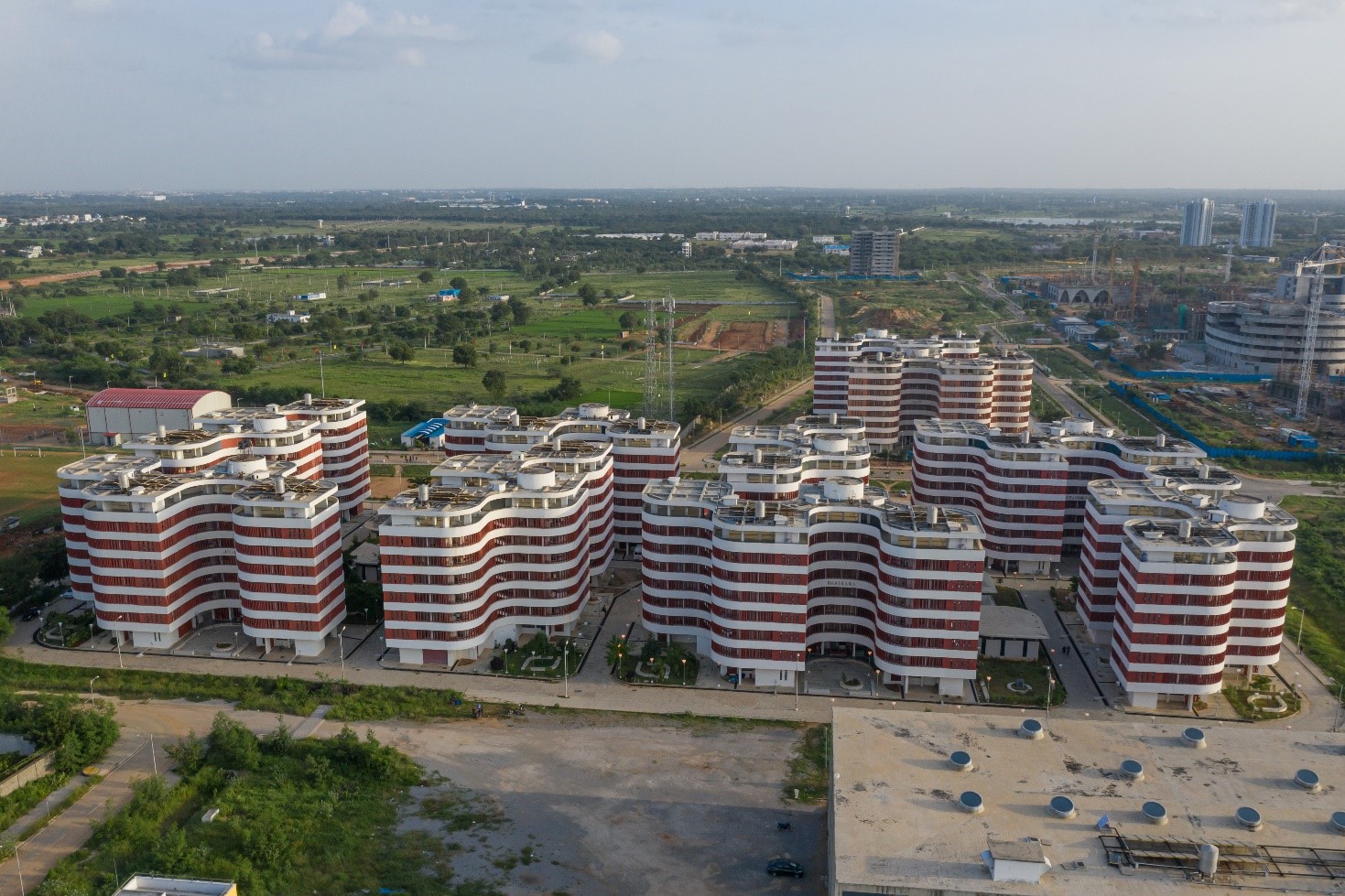
Indian Institute of Technology Hyderabad (IITH) is a premier institute of science and technology
established in 2008. IITH has been consistently ranked in the top 10 institutes in India for
Engineering according to NIRF making it one of the most coveted schools for science and
technology in the country. IITH encourages and supports innovation and entrepreneurship at every
stage. The minor program in entrepreneurship is open to all students of IITH, and many of the
courses are offered by industrialists who are entrepreneurs themselves. There are various innovation
centers and incubators that promote entrepreneurship and help mentor young innovators. IITH has
been very successful in building tie-ups with leading academic institutions around the globe.
You will have opportunity to visit many exciting centers of excellence such as Centre for Research in AI-NVAITC, Transportation Research and Innovation Hub (TRIHUB), Dept of Science & Technology’s National Mission on Inter-disciplinary Cyber-Physical Systems (NM-ICPS TiHAN), Defence Industry Research, Medical Devices COE with ICMR, Genko School of Sustainability, Nvidia AI Innovation Center, Rural Innovation Cener.
IITH has full cluster of Innovation Entrepreneurship Ecosystem with iTIC Incubator, Center for
Healthcare Entreprenurship, i-TIC Foundation, Fabless Chip Design Incubator (FabCi), Technology
Research Park, and Technology Innovation Park.
Our faculty and researchers will be keen to discuss their ongoing research in numerous cutting-edge
topics such as EVs, Autonomous Navigation and Data Acquisition Systems (UAVs, ROVs),
Additive Manufacturing
You may also want to supplement your IIT-Hyderabad visit with recreational visits to well-known
nearby places such as Osman Sagar Lake, Chilukur Balaji Temple,Sanghi Temple, Ramoji Film
City, Anantgiri Hills, and Bhongir Fort.
Our campus is conveniently located from Hyderabad airport (about 64Kms and 70-min drive).
Besides ample capacity in our on-campus guest houses, nearby Hyderabad-Secunderabad metro
area offers numerous world-class hotels within 30-mins.
The green Initiative - Sustainable Practices and Waste Management:
IIT Hyderabad has set up comprehensive wastewater and solid waste management system on its campus. From banning the usage of paper cups, replacing packed water with UV water dispensers, setting up of waste segregation and recovery facilities, bio-digester, and sewage treatment plants to growing more than 15000 trees in last 2 years. IIT Hyderabad has considerably reduced its carbon footprint and is making every effort to turn its campus into a green and sustainable habitat. Hostels have radiant cooling systems. Even the water taps in the residential areas have been attached with water-saving adapters which have significantly reduced the water bill.
The campus has a considerably large solar farm of 0.95MWp capacity
All the buildings are designed to meet GRIHA green buildings rated and are energy efficient by using performance double glazed units for the windows and façade, use of occupancy sensors to save energy, ensuring sufficient day light in all the rooms.
IIT Hyderabad also developed a few recharge wells across the campus. These measures are aimed at conserving the rainwater as well as the groundwater.
The masterplan of the campus has been developed with an objective to create a ‘zero discharge campus’.
Advanced Darksky Observatory (ADO) :
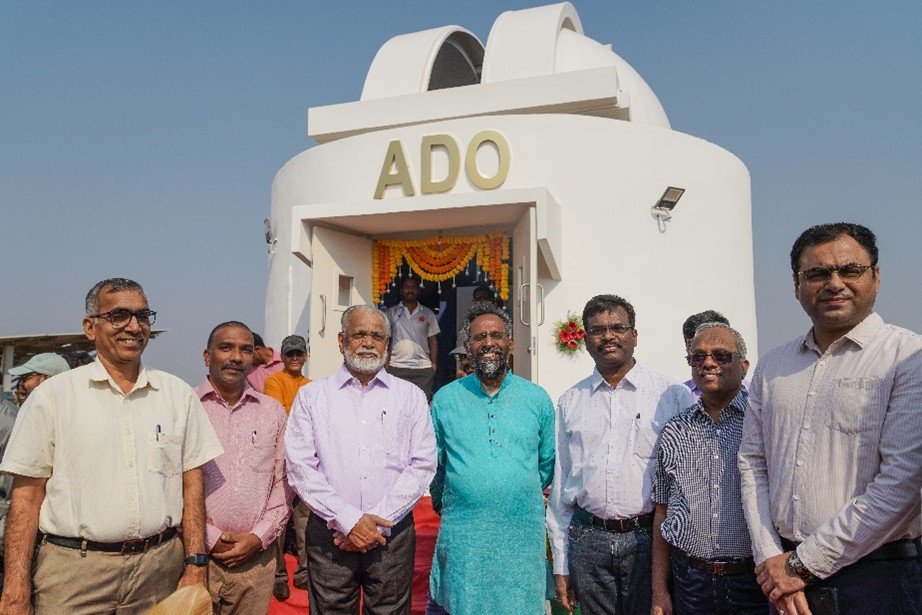
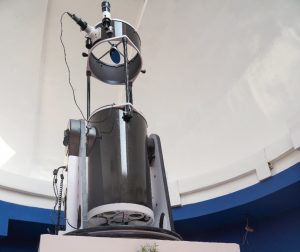
‘Advanced Darksky Observatory’ (ADO) was established inside the campus and was inaugurated today by Dr K Radhakrishnan (Recipient of Padma Bhushan), Honorary Distinguished Advisor in the Department of Space and Former Chairman of ISRO. The project is funded by IITH. ADO will host a 0.5-meter Robotic optical telescope (largest among small telescope categories) which will have a magnification of ~1000x, capabilities of resolving a structure as small as 25 km on the surface of the moon, individual rings of Saturn, detecting active galaxies up to a distance of 1.5 Giga light-years (1419 billion kilometers). Primarily designed as a frontier research facility in Astronomy, ADO, with adaptive imaging and multi-filter spectroscopy, will deliver imaging and spectroscopic data banks, which will be valuable assets for research and modern teaching. Due to its upcoming full robotic capabilities, the observatory will be capable of integrating into the global telescope network system like NASA’s Global Telescope Network (GTN) for urgent alerts to the scientific communities on transient celestial events, asteroids and meteorites. It will also complement ISRO’s current and future space-based astronomical observatories.
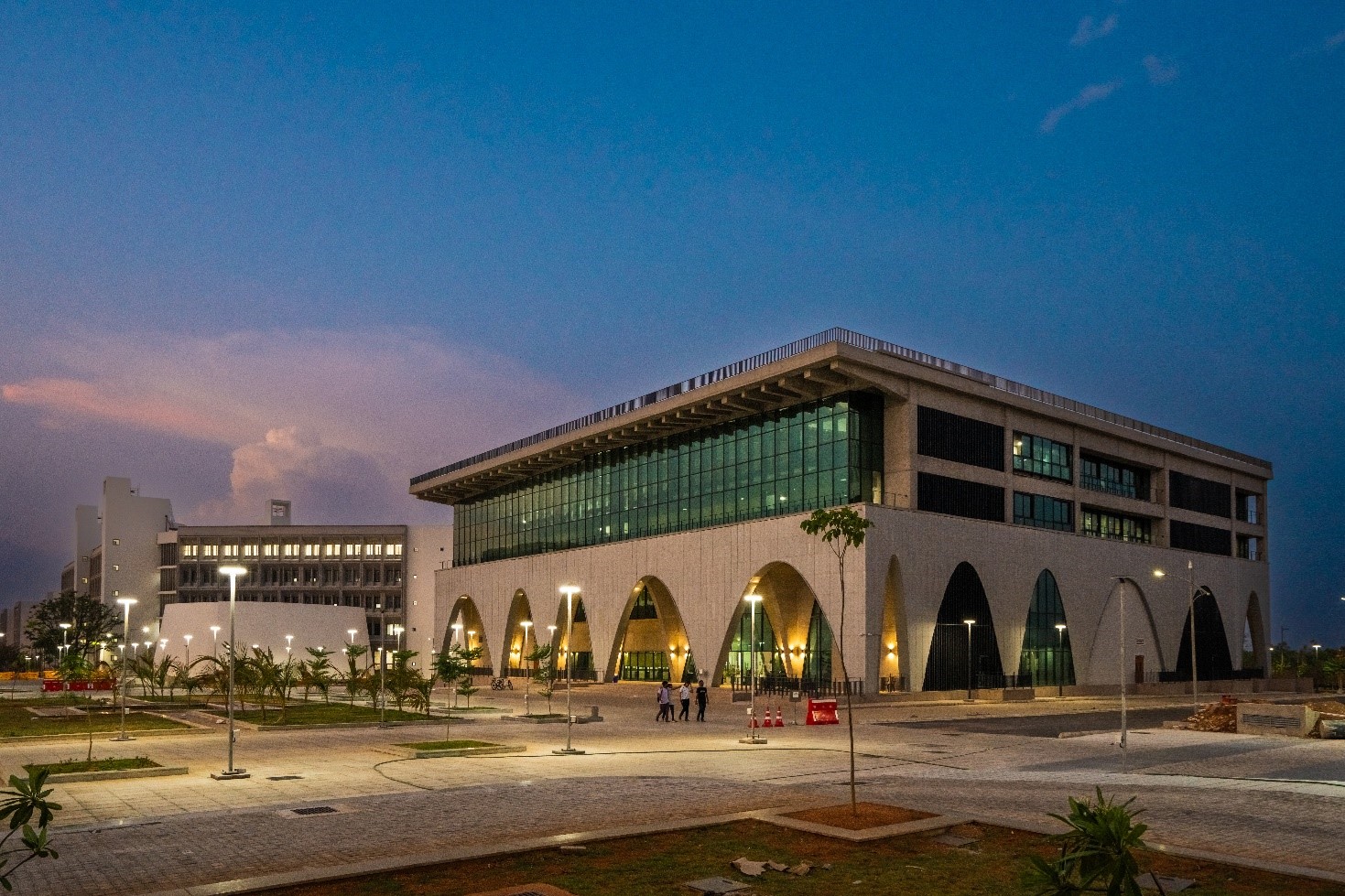
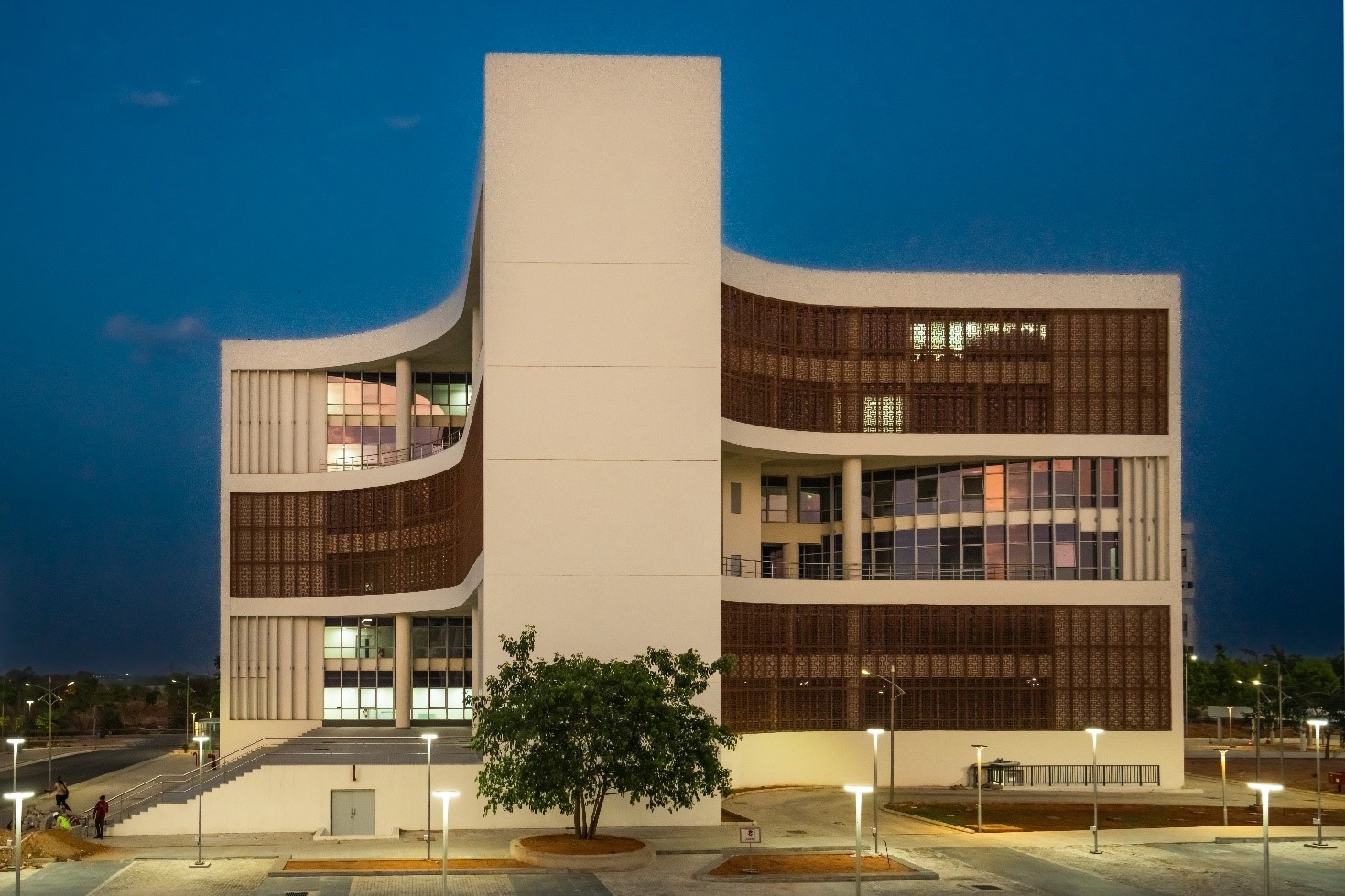
Knowledge Resource Centre (Library)
Admin Building
Convention Centre
Guest House
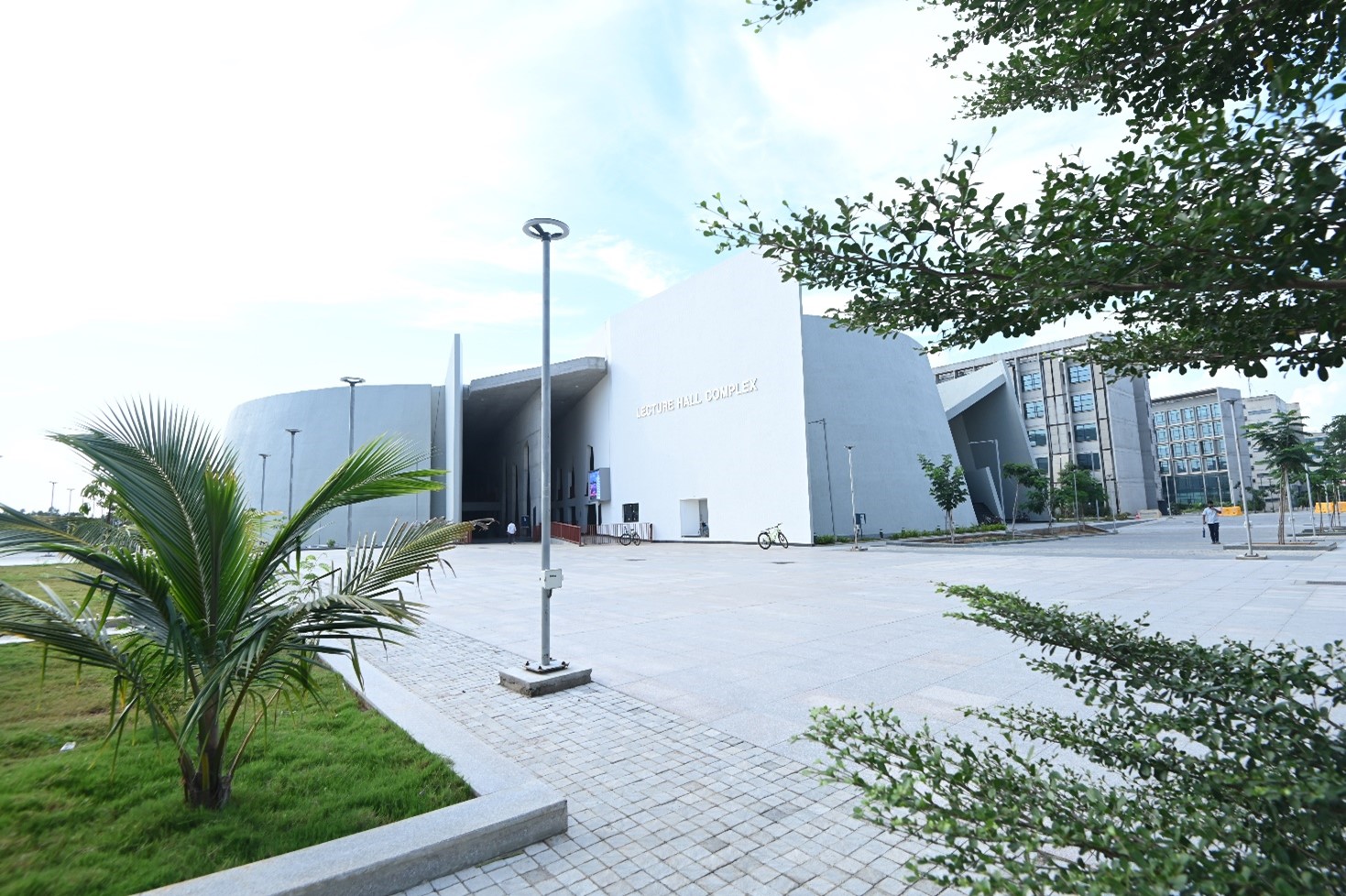
Lecture Hall Complex
SNCC (Sports and Cultural Complex)
Technology research Park & Technology Incubation Park (TIP & TRP)